Practical Tips from the Trenches
Avoid the mistakes I made

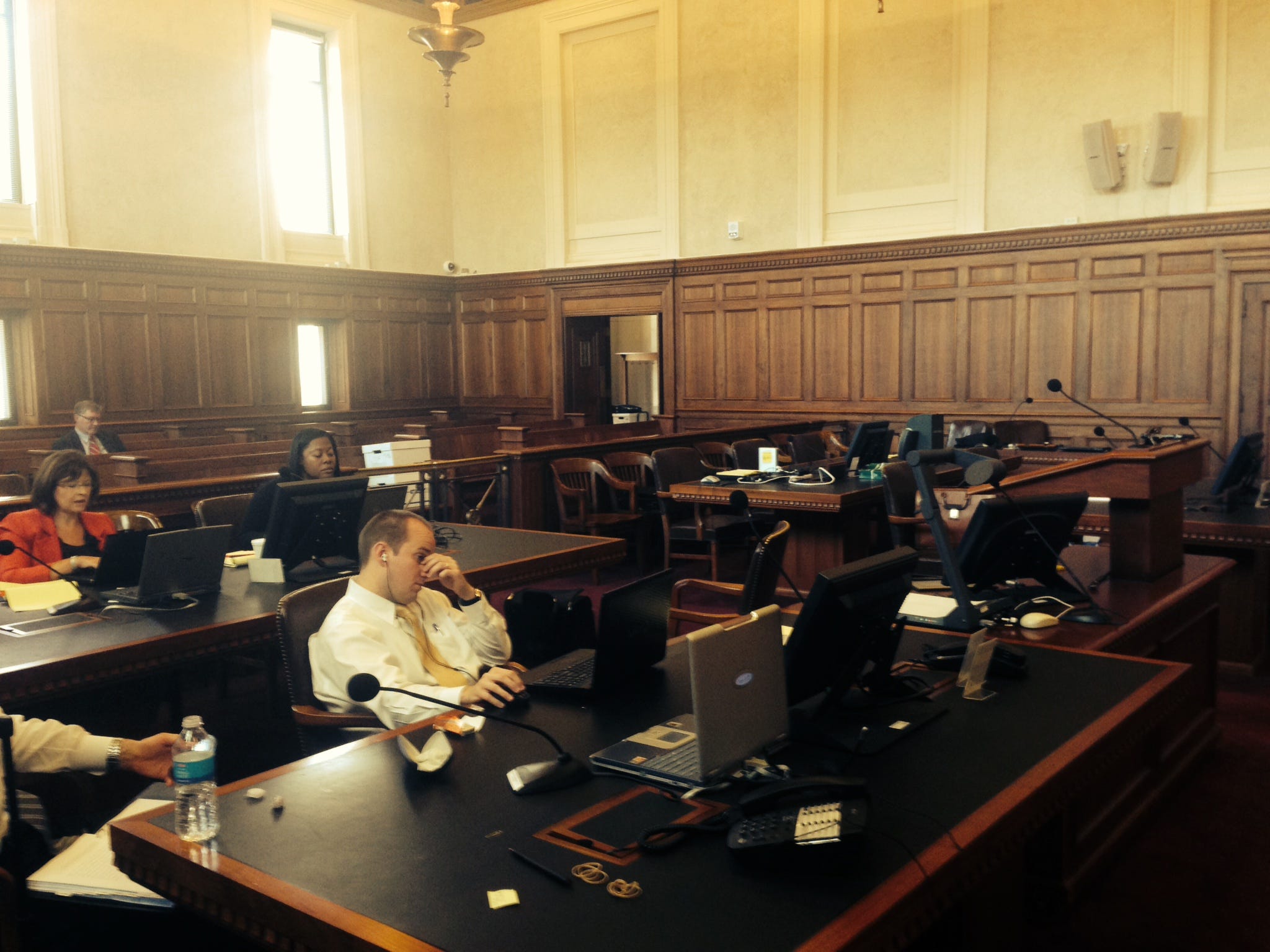
I've made some mistakes in litigation that have caused me a lot of heartache.
Thankfully, for the most part, our team still was victorious at trial despite these mistakes.
Some lessons learned (so you don’t make the same mistakes):
Start early!!
You should be preparing for trial throughout the entire case. If you wait until 30 days before trial or the PTO is due, it's too late. When you start early, it helps you focus on the important issues in discovery. You are constantly asking yourself “how does this fit into the opening statement/closing argument?”
Plus, you will get much more sleep in the weeks and days leading up to trial.
Make a theme chart for documents (early!!).
Don't prepare for your depositions on the fly. Go through the documents early and organize them according to themes. Use the theme chart in depositions and trial testimony. It helps you organize documents and helps you cull down voluminous documents to the critical ones the jury needs to see.
Credit to Mike Papantonio for this. It has changed the way our firm practices.
Make a Chart of Proof before trial.
This chart lists the witnesses that will be presented and lays out the exhibits that will come in through the witness and categorizes which claim the testimony applies to. This helps you stay on track to meet your burden at the directed verdict stage. It will also help you focus your questions of each witness. Respect the jury’s time!!!
Determine the “minimum effective dose for each witness.
Huge credit to Brett Turnbull for this one. Get what you need to get from the witness to prove the point you want to prove, then sit down. Don’t “over try” your case. I’ve seen many lawyers do this, and juries get upset. Can I say it again? “Respect the jury’s time!!”
Only call the witnesses you absolutely have to.
I learned almost everything I learned about trial work from Billy Gunn, an old-school trial lawyer in Atlanta. In his day Billy was notorious for calling few (if any) witnesses during the defense case. Billy tried to prove the defense case through the plaintiff’s witnesses. Billy would often tell me that “every witness is a potential f*cking disaster.”
Don’t take an unnecessary risk if you don’t have to.
Double and triple check your documents/supplies.
Although I never joined the military, I’m a big military history buff. There is a saying in the military - “if you have one, you have none. If you have two, you have one.”
This translates to trial work (and really all aspects of life). Double check your equipment to make sure it doesn’t fail when a critical witness is on the stand. If you have a set of batteries in your PowerPoint “clicker,” make sure you have another set nearby that you can grab if the batteries go out. If you have an HDMI cable, get two.
Work cooperatively with the enemy to submit Pre-Trial pleadings.
When I was a young lawyer, I always tried to "play an angle" in getting the evidence submitted to the Court, determining proper stipulations, etc. This was WRONG. - The goal is to make the case go as smooth as possible, all while presenting the best case you can for your client. Don't try to "hide the ball" in working out objections to exhibits, deposition designations, etc.
“Hide the ball” is the game amateurs play. Be a professional.
BE YOURSELF.
I used to mimic the trial lawyers I worked with. I tried to be folksy like Billy Gunn. After that didn’t work, I tried to be bombastic like a plaintiff lawyer I admire. The jury saw right through it.
Eventually, I decided to just be myself. I’m the reasonable guy. If you are a reasonable person, be reasonable. If you are a passionate person, bang the table and yell. But whatever you do, DON'T BE FAKE.
I've been blessed in my career to get a lot of courtroom experience. I owe it to the lawyers I've worked for and with. Hopefully these tips can help you avoid the long nights and the stress that comes with trial work.